
Trekking Essentials: Everything You Need for Your Next Adventure
This is the list of everything one will need for trekking. Whether you are a beginner or an experienced trekker, being familiar with these basics will ensure you get on top of things, travel comfortably and achieve maximum out of the adventure.
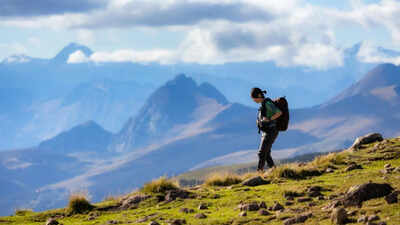
Hiking is not merely a joy in itself, but an expedition that brings you yet closer to nature and openly tests your strength and preparedness. No matter where you are going, be it to the mountains, forests, or rugged terrains, the right essentials can be of much difference in your entire journey. Safety, comfort and enjoyment during the trek are major issues to be tackled by proper planning and packing.By bringing with you the proper trekking equipment, you will be able to keep up with this weather, rough trails and extended physical work schedules. Whether it be the right clothing or the right footwear, some gadgets to help with navigation or a first aid kit, each of these devices will aid in the achievement of an enjoyable time trekking. Even such little things as drinking, energy products and even personal care allow you to maintain your energy and health on the trail.Unprecedented hiking can lead to discomfort, fatigue, and even peril as well, especially in the wild. This is the reason why you should select what you need in regards to the length, place and the level of difficulty of the trek you have. Smart packing will not only help save on the amount of unnecessary weight, but will also ensure you pack what you actually require.The T-shirts are quick-drying so that they push the water out through the sweat, hence ensuring that your body will be comfortable even during long walks. They are useful in preventing chafing and getting rid of the unpleasant sensation of wet fabric. They are easy to clean, airy and can be replaced depending on the changing weather conditions and high-intensity environments, which has kept them smelling fresh all the time. Trekking shorts or pants are flexible and can be worn in rough geographical regions. They are designed using stretchable materials and quick-drying materials, which enable them to move easily when climbing up or walking long distances. Most of them have several pockets and waterproof features, rendering them useful in carrying critical things and dealing with unpredictable environmental factors. Thermal wear does not provide warmth but rather serves as a top clothing layer that captures the body heat during cold weather. It also does not make you bulky, and so it is perfect when going to the mountains. Good thermals also pull away moisture on the body, thus making it comfortable even when engaging in physical activity in cold weather. A waterproof jacket is known as a windcheater and is used to keep the rain, wind, and sudden changes of temperature away. It keeps your body warm and makes sure that you are not wet. It is a light but comfortable piece of clothing that may be handy when on a trip in unpredictable weather, especially in mountainous or hilly places. It is important to always carry extra socks to maintain hygiene and comfort in the event that one is going to spend longer than a day trekking. New socks will make you feel clean, and blisters will be prevented with dry socks. They can be of special significance in cases where access to washing facilities is scarce to assist in keeping general health and comfort.
Trekking shoes are ankle supportive, provide protection on rough surfaces and provide stability. Grip is not permitted to fall on rocks, mud, or wet surfaces. Proper cushions will reduce fatigue and ensure that long walks feel safe and comfortable, prevent foot injuries and be safe in case of minor or even major inconsistencies of the trail. The light sandals or flip-flops would be handy whenever people are resting in the campsites. They enable your feet to loosen their strides and have a breath that comes after spending all day in closed shoes. Portable and comfortable to wear around, they contribute to a decreased level of fatigue and comfortable feet (not engaged in active trekking). Gaiters are shower-proof covers over shoes and the old legs. They maintain the mud, snow, water and debris. They also prove useful, especially in dangerous spots like mountainous areas, where your feet can be kept clean and dry, as well as making the experience comfortable and not irritating or hurtful. A walking backpack holds everything that is most important to have. Smaller sizes are used during short journeys, whereas larger ones are used in the course of a multi-day trek. The good backpacks have padded straps, good distribution of weight, and incorporate various compartments, hence making them comfortable and properly packed during a long trip. A rain cover has been used to ensure your backpack is not soaked in the rain. It keeps the clothing, electronics and supplies in case of rainy weather. Being light and convenient to carry around, it is a necessity item that you should keep with you in your outdoor places to protect your possessions. Water bottles are necessary during the treks to keep an individual hydrated. Hydration makes one energetic and prevents fatigue. Water hydration packs or reusable containers ensure that the weight of carrying and accessing water is decreased, especially during extensive hikes in isolated locations. They are also sources of fast and prolonged energy to power trekking. Their size is small, and they can be easily transported, helping to save up strength without cooking. Good snacks like dried fruits are rich in nutrients, and they can be taken to boost energy when travelling a long and physically demanding route. An example is a portable stove that can be used to prepare hot food when on the media-long treks or even beverages. It is especially useful in remote areas where there is a scarcity of food. It is small and portable, and therefore it is neither difficult nor uncomfortable to supply good nutrition in hostile environments.
A map or a GPS gadget will show you the way to the well-known path and make sure that you follow it. It minimises the chances of getting lost and is necessary for hiking in the isolated territories where the paths can not be easily defined. A compass is a dependable backup tool in navigation in case the digital devices get faulty. It assists in giving direction and keeping track, particularly in thick forests or mountain country in which signals can be very poor or absent. A headlamp or torch makes a person see in the dark, like early mornings or nights. The additional batteries make sure that there is constant use, and this is necessary when it comes to security and comfort in case of camping or late trekking. A whistle is a simple yet efficient emergency safety tool. It is applicable in calling attention to either rescue you or warn others in case you are lost or in danger. Its voice is so far-reaching as to be compared to the voice of a human being. Multi-tool Multi-tools are all-purpose tools that may help cut gear or repair it, or in general perform little jobs. It is a product that integrates several tools into a small, compact design; hence, it becomes very convenient when trekking and camping.
Even a basic first aid kit will help in treating minor injuries like bruises, cuts and blisters. It plays a very critical role in the treatment of minor medical conditions, which are harmless and quick when travelling or walking, especially in isolated regions. Sprays or balms used for pain relief can be used to relieve muscle pains and fatigue experienced after hours of trekking. They offer fast comfort, and you can remain comfortable and proceed with the journey.
Antiseptic creams and bandages assist in cleaning and avoiding wound infection. They offer the necessary care to the wounds in the absence of urgent medical assistance. A tent serves as an initial source of protection as you are participating in trekking against rain, wind, insects and cold weather. It is a safe place where one can take a nap after hiking long distances. Tent Trekkers should have lightweight and easy-to-pitch tents because they are convenient and also easy to carry, along with reliable shelter under the varying outdoor conditions.
A sleeping bag will help to keep one warm and comfortable at night. It is structured in a way that it is able to trap body heat and insulate against cold weather. It can also be applied in various climatic conditions, depending on the temperature, so that you get proper rest and recovery with regard to the following day's trekking.
Sunscreen assists your skin in being shielded against harmful UV rays, which are stronger at a greater elevation. Frequent use keeps the skin tan, free of sunburns and damage. It is a necessity for the trekkers, particularly when they are on day-long journeys in an open or mountainous area where the sunlight can directly fall on them. The sunglasses ensure your eyes are not exposed to the harsh sunlight, ultraviolet rays, and glare, especially when you are in snowy seasons or high altitudes. They also help in avoiding dust and wind that cause an ideal view to be blocked, and they are comfortable with trekking. The sunglasses are of good quality, which makes your eyes work less, and therefore can show you a safe direction in the sun in an open setting. Basic things like a toothbrush, toothpaste, soap, and a face wash are provided so that they know they are hygienic even during the treks. Keep hygienic to avoid being infected, and to keep yourself fresh in general. Small and lightweight objects are well received because they are not bulky and can be conveniently packed in small areas of the trekking backpacks. Wet wipes and tissue paper can also be used to clean in a fast manner in case water is not readily available. They facilitate post-meal, post-toilet or post-shower hygiene. In outdoor adventures, it is advised to use biodegradable products as much as possible since they have less impact on the environment. The hand sanitiser will be vital in providing hygiene, especially prior to taking food or touching some surfaces during the trek. It aids in the elimination of germs and, in normal circumstances where there is no soap and water, eliminates infections and is a good and convenient commodity to have with them.
A power bank will ensure that your electronic gadgets, including mobile phones, GPS or even cameras, are powered throughout the trip. It is especially important in uncivilised places, where electricity is absent. Power banks with high capacity have been suggested in the case of longer trips that do not compromise communication and navigation.
An action cam or a camera assists in recording momentous scenes and impressive scenes throughout your trekking experience. Small and lightweight devices are outdoor-friendly so that you can take them to document your experiences without any extra burden on your backpack. Trekking poles ensure that the movement over the irregular ground is more stable and balanced. They relieve stress in knees and joints, especially when climbing steep hills and descending mountains. The use of adjustable and not heavy poles enhances stamina and makes a lengthy walk easier and not a challenge physically. Gloves cover the hands against cold weather, rough surfaces and minor injuries. They also help with grip when walking with the trekking poles or on rocky routes. When it is colder, waterproof or insulated gloves get in handy.
A hat or cap shields your face or head from the direct sunlight, which scalds the skin and leaves a sunburn. This also works in regulating the level of body heat, which makes you cool and warm during the day out walks in open spaces.
An accessory such as a buff or scarf would also be compatible in different weather conditions, such as dust, wind, sun or cold. You can use it as a headband, neck warmer or even face cover, and thus it is a handy piece to add to your trekking equipment.
Clothing Essentials
Quick-dry T-shirts
Trekking Pants/Shorts
Thermal Wear
Waterproof Jacket/Windcheater
Extra Socks
Footwear
Hiking Boots with a Good Grip
Lightweight Sandals/Flip-Flops
Gaiters
Backpack & Storage
Trekking Backpack (30L-60L)
Rain Cover for the Bag
Hydration & Food
Water Bottles
Energy Bars, Dry Fruits, Snacks
Portable Stove
Navigation & Safety Gear
Map/GPS Device
Compass
Headlamp/Torch with Added Batteries
Whistle
Multi-tool/Swiss Knife
Health & First Aid
Basic First Aid Kit
Pain Relief Spray/Balm
Bandages, Antiseptic Cream
Camping Gear
Tent
Sleeping Bag
Personal & Hygiene Items
Sunscreen
Sunglasses
Toiletries
Tissue Paper/Wet Wipes
Hand Sanitiser
Tech & Accessories
Power Bank
Camera/Action Cam
Other Useful Items
Trekking Poles
Gloves
Cap/Hat
Buff/Scarf
Other Related Articles You Might Like To ReadNight Vision Binoculars for Travel, Adventure, and ExplorationExpandable Trolley Bags That Handle Overpacking Easily

About the AuthorDimple Sharma
End of Article

quick links
Best Split ACBest i5 LaptopsSide By Side Door RefrigeratorsTouch Screen Laptops750 Watt Mixer Grinder32 Inch Smart TV500GB hard diskTablets under 12000Hydraulic Storage BedsRunning machinesBeard Trimmer for MenJeggings for womenCo-ord sets for womenHybrid Smartwatches for menBest Smartwatch Under 1500Over-ear headphones13 inch laptopsPortable hotspot devicesHarmonium for beginnersBass guitarsBest Gaming HeadphonesBest VR HeadsetsCar UmbrellasBest Stretch Mark Creams and OilsGirls’ bicyclesWicket keeper glovesHardsided trolley bagsBackpack for womenBackpack for menWeight loss teaOrganic turmeric powderBest Kitchen chimney in IndiaLCD writing tablet2TB Hard DiskWireless earphones under 1000Bluetooth earbudsAir Conditioner9kg Washing Machines65 Inch TVVacuum CleanersBest Water PurifiersBest AC In IndiaAutomatic Washing MachineBest AC Under 20000
Copyright © 2026 Bennett, Coleman & Co. Ltd. All rights reserved. For reprint rights: Times Syndication Service