
Skin Barrier Repair Products for Urban Pollution: Everything That You Need
To everyone who lives in a polluted environment, barrier repair needs to be the priority. It is an effective skincare product that allows the skin to shield itself against urban pollution more conveniently and maintain proper skin health.
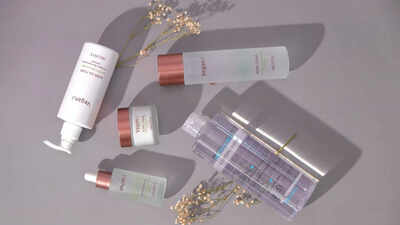
In cities, the skin is subjected to regular exposure to pollution, dust, smoke, and stresses that occupy the mind every day. Minuscule airborne particles are deposited on the skin, pore blocked, oxidative damage induced, and the skin's natural defence mechanism is undermined gradually. In the long run, they result in dehydration, irritation, acne and early ageing. The last contributing factor is long commuting, screen time, disrupted routines, and insomnia that render the skin more vulnerable and desensitised.Skin barrier repair products are designed to supplement this protective layer to enable the skin to maintain its moisture and to guard it against environmental aggressors. These are the products with the benefit of making the skin healthier and tougher, repairing damaged lipids and de-inflaming the skin.
The skin barrier is the topmost layer of the skin that provides a layer of protection against pollution, bacteria, allergens and loss of moisture from the skin. It blocks the infiltration of destructive elements and prevents hydration from moving out.
The skin cells are cemented by the ceramides, cholesterol and fatty acids. They are also organised, absorb water and make the skin soft, smooth and less susceptible to day-to-day damage.The microbiome is a community of useful microorganisms that facilitates immunity to the skin. A healthy microbiome also decreases inflammation and enables skin to heal more quickly from environmental strain.
Symptoms commonly seen are skin appearing dry, flaky, reddish, irritated, breaking out out of nowhere, sensitivity and make-up not placed evenly in the skin.
The good barrier makes the skin relaxed and hydrated and ready to handle the pollutants in the city, as well as the stress of the lifestyle.
Small fine PM 2.5 particles are so small that they settle deep into the pores. Together with smoke, automobile emissions, and dust, it clogs pores, interferes with the oil balance and makes the skin surface weak. With time, this accumulation causes congestion, roughness, the generation of blackheads, and the recurrence of breakouts, particularly among individuals who may be residing in busy cities.Oxidative stress on the skin is brought about by pollutants that activate the free radical activity on the skin. This destroys skin cells, it disrupted collagen and reduces the natural repairing process. The outcome is permanent inflammation, reddening, irritation and perpetual tight or uncomfortable skin. This damage is further compounded by stressful lifestyles in the city and excessive exposure to screens.Premature Ageing and Sensitivity
With constant exposure to pollution, the ageing effects such as wrinkles, dullness and firmness are caused in a short period. The epidermis will be weak, and the skin will be more sensitive to cosmetic care products, the weather, and the sun. In the long run, skin turns sensitive and dehydrated, which is why they are forced to consider barrier-based treatment of polluted environments.Key Ingredients to Look For
Ceramides and cholesterol are essential parts of a healthy skin barrier. It helps to fix the human skin cells against losing moisture and shield the skin against pollution and other irritants. Regular use creates a barrier, reduces the level of dryness and increases the comfort on the skin, especially in the harsh urban environments. Niacinamide is an ally of the barrier repair process since it enhances the production of ceramides as well as skin elasticity. It is also useful in cooling down redness and controlling oil. Vitamin B5, as panthenol, is the most intense hydrator and has a very calming effect on skin that is stressed or has been damaged by environmental stressors, and speeds up healing of irritated skin as well.
With the use of fatty acids, natural skin oils are restored, taken away by pollution and frequent washing. Squalane is a recreation of the sebum in the skin and is a light hydrating oil without pore blocking, thus it works well on both dry and acne-prone skin. Antioxidants and Soothing Agents
Antioxidants like vitamin C, vitamin E, and green tea prevent the effects of pollution, which is known as free radical damage. However, agents of inflammation, such as aloe vera, centella asiatica and allantoin, help keep the skin cool and strong.
The low-foam non-detergent cleansers are mild and remove the pollution, dirt, and excess oil without depleting the natural lipids of the skin. They preserve the skin barrier and avoid tightness, dryness, and irritation from severe face washes. Barrier-Repair Moisturisers
These humidifiers restore the lost ceramide, fatty acid, and cholesterol as a result of pollution and over-cleansing. Frequent application of the skin barrier improves the strength of the skin barrier, traps hydration and decreases skin sensitivity, thereby increasing the resilience of the skin to a polluted environment. Anti-Pollution Serums
Antioxidant, free radical-protecting serums are lightweight and full of cool agents that shield the skin against free radicals. They assist in the neutralisation of pollutants, reduction of inflammation and assist in skin recovery, particularly for those exposed to traffic fumes and dust every day. Antioxidants or pollution-defence antioxidants are sunscreens that protect the skin against UV rays and other environmental stressors. The daily use would inhibit the premature ageing, pigmentation and barrier destruction due to the inflammation of the sun and the pollution together.
Begin with a light cleanser that will take off nighttime oil and pollution and leave the skin unstripped. Immediately follow with an antioxidant or barrier-support serum to protect against the stresses of everyday life. Seal in with a moisturiser that is high in ceramides and calming factors. Lastly, apply a broad-spectrum sunscreen that provides UV protection, as well as pollution protection, to protect the skin during the day. Night Repair Routine
Wash off properly to get rid of dirt, sunscreen and impurities that have been collected in the day. Apply a soothing serum containing niacinamide or panthenol to help in promoting skin recovery. Coat with a deeper barrier-repair moisturiser or cream to replenish lipids and skin strength in the skin throughout the night. Before going to sleep, keep the routine simple to enable the skin to be healed, mend and put back the balance as you sleep.
Common Mistakes to Avoid
Over-Exfoliation
Frequent scrubs, acids, exfoliating tools, etc., suppress the skin barrier. The result is redness, burning, breakouts, andan increase in sensitivity, particularly in polluted environments where the skin is already being stressed.
Using very strong actives, such as high-strength retinoids, AHAs, BHAs, or vitamin C on damaged skin will aggravate the irritation and slow down the healing process rather than enhance it.
There is no need to skip moisturiser, including in oily, acneic skin, as they promote water loss and reduce the strength of the barrier in the long run.
Hot water washing removes natural face oil and increases the levels of dryness and inflammation.
Switching the products too frequently does not allow the skin to become accustomed, and it may cause reactions.
Missing the daily application of sunscreens hastens the destruction of the skin barrier, pigmentation, and accelerates the ageing process.
Over-cleansing leads to an imbalance of the skin and causes the skin to become sensitive.Other Related Articles You Might Like To ReadBest Serums for Sensitive Skin With Ceramides & Hyaluronic AcidWinter Dandruff Care: Top Shampoos and Oils to Keep Flakes Away
What Is The Skin Barrier?
Protective Outer Layer
Role of Ceramides and Lipids
Significance of Skin Microbiome
Indications of Broken Barrier ofthe Skin
Why It Matters
The Impact Of Urban Pollution On Your Skin
PM2.5, Smoke, and Dirt Buildup
Inflammation and Oxidative Stress
Premature Ageing and Sensitivity
Key Ingredients to Look For
Ceramides and Cholesterol
Niacinamide and Panthenol
Fatty Acids and Squalane
Antioxidants and Soothing Agents
Most Suitable Products For Urban Lifestyle
Gentle Cleansers
Barrier-Repair Moisturisers
Anti-Pollution Serums
Sunscreens with Added Protection
How To Construct A Barrier-Repair Routine
Morning Routine
Night Repair Routine
Common Mistakes to Avoid
Over-Exfoliation
Avoid Cosmetics on Broken Skin Barrier
Skipping Moisturiser
Using Hot Water
Frequent Product Switching
Ignoring Sunscreen
Over-Cleansing

About the AuthorDimple Sharma
End of Article
quick links
Best Split ACBest i5 LaptopsSide By Side Door RefrigeratorsTouch Screen Laptops750 Watt Mixer Grinder32 Inch Smart TV500GB hard diskTablets under 12000Hydraulic Storage BedsRunning machinesBeard Trimmer for MenJeggings for womenCo-ord sets for womenHybrid Smartwatches for menBest Smartwatch Under 1500Over-ear headphones13 inch laptopsPortable hotspot devicesHarmonium for beginnersBass guitarsBest Gaming HeadphonesBest VR HeadsetsCar UmbrellasBest Stretch Mark Creams and OilsGirls’ bicyclesWicket keeper glovesHardsided trolley bagsBackpack for womenBackpack for menWeight loss teaOrganic turmeric powderBest Kitchen chimney in IndiaLCD writing tablet2TB Hard DiskWireless earphones under 1000Bluetooth earbudsAir Conditioner9kg Washing Machines65 Inch TVVacuum CleanersBest Water PurifiersBest AC In IndiaAutomatic Washing MachineBest AC Under 20000
Copyright © 2026 Bennett, Coleman & Co. Ltd. All rights reserved. For reprint rights: Times Syndication Service