
- Home
- Home decor & Garden
- Everything You Need for Navratri Pooja: A Complete Checklist of Products
Everything You Need for Navratri Pooja: A Complete Checklist of Products
This is a complete list of all the items you need when conducting a Navratri pooja, everything, simple pooja articles, offerings, and even setup materials, so that there is no worry when you are celebrating the festival in peace, devoutly, and with proper preparation.
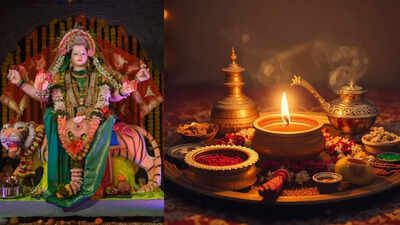
Navratri is a significant Hindu festival, which is celebrated for a period of nine days in honour of the goddess Durga and her nine incarnations. It is a victory between good and evil and is marked by the devotion of the whole of India, fasting, prayers, and festive colouring. Every day has a spiritual significance, so pooja rituals are a significant element of the home festival. The Chaitra Navratri or nine days of Navratri in 2026 begins from 19th March, which will end with Ram Navami that marks the celebration of the birth of Lord Rama. The essentials of the Navratri pooja should be available beforehand because there are different rituals that are conducted on a daily basis. Be it the setting up of the altar or the offering and pooja material preparation, proper preparation is a factor that makes the event run smoothly; otherwise, the mix-ups at the last moment will take a toll.A checklist organised properly should make the entire process very easy. It assists you to organise everything that you need, stay within the ritual consistency and concentrate more intently on devotion than to deal with arrangements at the time of the pooja.Basic Pooja Items
A pooja thali is a special plate where all the required items needed during rituals are put. It normally contains the diya, incense sticks, kumkum, rice, and prasad, and hence the pooja process is also well planned and convenient. The ritual is further decorated by using a decorated thali, which also brings in a traditional and aesthetic element to it. It also facilitates the easy way of conducting aarti and offerings without scouting for things for the ceremony.
Diya is also a small oil lamp which is lit during the pooja as a symbol of good, clean and the absence of darkness. The stuff it is filled with is normally oil or ghee, and a cotton wick is lit. The fire is a connotation of the spiritual awakening and God. It is also considered holy to place a diya during any of the poojas, and this eliminates tension during the beginning of the pooja, hence creating a calm and sacred environment at home. Pooja is a ritual that includes burning incense sticks to purify the air and turn the air into a calming atmosphere. The sweet odour of the smoke is believed to please the deities and to enhance religious focus. It also helps in creating a peaceful environment with prayers and meditation. Several perfumes, including sandalwood, rose, or jasmine, are commonly used, which makes the ritual have a cooling effect on the sensory organs. Camphor is applied in aarti and is reputed to burn away, leaving no trace, representing the devotion, which is ego-free. Once it is lit, it brings a clear fire and a specific smell, which cleanses the surroundings. It is commonly applied in the conclusion of a pooja when one is doing aarti before the deity. Camphor is regarded as very holy, and it relates to spiritual cleansing. A simple but necessary object is a matchbox or even a lighter that is used to light diyas, incense sticks and camphor in pooja. Although this might be a simplistic idea, its availability saves one the trouble of not having it when she is making the trouble. During pooja, a bell is rung (also known as ghanti) to bring favourable energy and start the ritual. It is assumed that the sound drives away bad elements and sets a heavenly atmosphere. Ringing the bell assists in concentration of mind and marks the existence of the deity. It also intensifies the spiritual energy within the environment when there is prayer and aarti. Sweets are also presented as bhog, such as peda and laddoo, to show devotion and joy. They are a good representation of sweetness in life and are considered to be a planchement to the goddess. Homemade or fresh confectionery is more desired due to its purity. They are then distributed after being given as prasad and bring happiness to devotees. The culture of sweets is also significant in festivals, and that is why the sweets are also a key component of the Navratri pooja practices and celebrations. Coconut is regarded as one of the holy items of Hindu culture, and it means purity and selfless unity. It is also typically served in entire portions or on a kalash when making pooja. Cracking a coconut symbolises the destruction of the ego and giving oneself up to the gods. It also served as a prasad following the ritual. Its tough exterior and white interior are signs of power and simplicity of the heart, and it makes a significant offering at Navratri. Dry fruits, i.e. almonds, cashews, and raisins, are served as a food signifier of good luck and food. They are said to be clean and lively, which is why they go well during fasting days. Giving dry fruits means richness and sacrifice. They are given as prasad after the pooja, and they are eaten during fasting as well. Their nutritional value and longevity make them a good and convenient addition to the offerings at poojas. Mishri, sugar crystals are taken as a simple and yet sacred offering during pooja. It is symbolic of sweetness, innocence and good energy. It can find its way in prasad and is occasionally used in making Panchamrit. Mishri is an item that is believed to please the deity and is simple to share with participants of the devotees. Its natural sweetness symbolises the desire to live a happy and in harmony life and be blessed. Panchamrit is a holy combination created using milk, curd, honey, ghee and sugar. It is then presented to the god and then eaten as prasad. Every ingredient is spiritually important, as it is a symbol of purity, food and blessings attributed to the divine. Panchamrit is used frequently in abhishek ceremonies and is very eventful. It should be made fresh and hygienically to ensure that its sanctity is preserved in the pooja process. Decor & Setup Items
It is the place of pooja that is adorned with flowers and is dedicated to the deity as a sign of respect and devotion. Purity, beauty and positivity. The flowers, including marigolds and roses, are used to represent purity. They make the spiritual atmosphere good and produce an amicable atmosphere. Gifting flowers is one of the common forms of giving thanks and devotion at the Navratri pooja. A toran is an ornamental hanging that is located at the door of the house or the pooja room. It typically comprises flowers, beads or cloth and signifies welcome and positivity. Torans are said to welcome good fortune and prosperity, and the negative influences are away. They also bring a party atmosphere to the house during the Navratri festivals. Rangoli makes the entrance or living area look welcoming to the goddess and brings positivity and blessings. Rangoli designs are associated with wealth, good fortune and good luck. It boosts the festive atmosphere and places visual elements of beauty in the environment during the Navratri. The pooja altar or the place beneath the idol is covered with a red cloth. Red is also considered auspicious and is associated with the goddess Durga, who symbolises power and devotion. It forms a holy foundation to put idols, kalash and pooja items. With a clean and well-ordered cloth, the spiritual set-up is improved. A kalash is a water pot of metal, which has mango leaves and a coconut on it. It is an image of prosperity, life, and the existence of Gods. It is a very vital component of Navratri practices, and it will be placed on the pooja altar. The kalash is an icon of the point of creation, and it is revered during the festival.
The decoration and ritual of the pooja are done with mango leaves. As a part of the toran, they are put on the kalash and at the entrance. These are the leaves of fertility, growth, and good disposition. They are supposed to clean the environment and draw the blessings of the gods in the pooja. The pooja is mainly centred on the idol or picture of the goddess Durga. Devotees pray, give flowers and bhog in order to get blessings. It is the icon of divine power and safeguard. On a daily basis, throughout the Navratri, the idol is placed on a decorated and clean mandir and worshipped. Tilak during pooja rituals is done on top of roli and chawal. Kumkum is a sign of good fortune and piety, whereas rice is a symbol of good luck and fulfilment. They are dedicated to the god and also used on the followers as a blessing. These objects are used in carrying out the traditional rituals. Kalava is a red holy thread that is given around the wrist when doing pooja. It represents sanctity, belief and devotion to religious customs. It is blessed at the ceremony and put on the devotees as an indication of the reservation and well-being of deities. It is believed that gangajal is pure and holy water, and it is used to wipe the pooja area and props. It is sprayed to clean the environment and during rituals. It is spiritual cleanliness, and it is known to be peaceful and positive. The celebrations of Navratri include the recitations of religious literature that includes Durga Chalisa to pursue the blessings of the goddess. Reading such scriptures enhances the degree of devotion and makes one remain concentrated during the process of prayer. They form a significant component of day-to-day pooja. Hawan samagri is a mixture of consecrated herbs, fragments of wood, seeds and natural substances used in a havan (fire ritual). It is burned in the sacrosanct fire, and ghee, in addition to mantras, is recited. This combination is thought to clean the environment, build good energy, and create a spiritual sensation. All ingredients bear symbolic meaning and add to the religious meaning of the ritual.
Havan rituals require the ghee and samidha. To keep the flame going, they are thrown into the sacred fire to finish the ritual. These services are associated with religious adoration and cleansing. Particularly, seeds of barley are placed during a ritual at the beginning of the Navratri. The fact that they have grown in 9 days is deemed a sign of prosperity and blessings. It is a significant cultural custom of a lot of households. A chunri resembles a token of reverence and devotion to the goddess Durga. It represents guardianship, strength and religion. During pooja, the believers cover it with the idol or at the altar. An aasan or a pooja mat is a sitting mat that one uses during prayers and rituals. It also forms a pure and focused worship area that assists in keeping focus and discipline. It is thought to protect the body against ground energy and spiritual focus as it is traditionally composed of cloth, wool, or straw. An aasan provides comfort where poojas take a long time and keeps the sanctity of the isthus place; it becomes a vital component in the day-to-day and festival worship.
The use of brass and copper utensils in pooja is also a common practice because both are conventional and spiritual. These metals are pure, and their properties are thought to be good ones in terms of energy. The rituals are made more authentic with items such as kalash, diyas, and pooja plates crafted of brass or copper. They are also durable and readily maintainable. The utilisation of these utensils also brings in a touch of antiqueness, besides being consistent with ancient traditions practised during Hindu pooja ceremonies. Young girls are revered as Goddess Durga during kanya poojan and are given small presents in respect to their reverence. Depending on the preferences, common items can be packs of hair clips, bangles, stationery, chocolates, or a little utility. These gifts are normally basic, handy, and are given out in bundles so that they are easily gifted.
Navratri Pooja Essentials
Basic Pooja Items
Pooja Thali
Diya (Oil Lamp)
Incense Sticks (Agarbatti)
Camphor (Kapoor)
Matchbox
Bell (Ghanti)
Offerings (Bhog & Prasad)
Sweets (Peda, Laddoo)
Coconut
Dry Fruits
Mishri (Sugar Crystals)
Panchpatra
Decor & Setup Items
Flowers (Marigold, Rose)
Toran (Door Decoration)
Rangoli Colors
Red Cloth for Mandir
Kalash (Sacred Pot)
Mango Leaves
Religious Essentials
Idol or Picture of Goddess Durga
Roli (Kumkum) and Chawal (Rice)
Kalava (Sacred Thread)
Gangajal
Durga Chalisa
Hawan Cups/ Hawan Samagri
Special Ritual Items
Ghee and Wood Sticks (Samidha)
Barley (Jaw) for Sowing
Chunri (Red Cloth Offering)
Pooja Mats (Aasan)
Brass or Copper Utensils
Small Gifts for Kanya Poojan

About the AuthorDimple Sharma
End of Article

quick links
Best Split ACBest i5 LaptopsSide By Side Door RefrigeratorsTouch Screen Laptops750 Watt Mixer Grinder32 Inch Smart TV500GB hard diskTablets under 12000Hydraulic Storage BedsRunning machinesBeard Trimmer for MenJeggings for womenCo-ord sets for womenHybrid Smartwatches for menBest Smartwatch Under 1500Over-ear headphones13 inch laptopsPortable hotspot devicesHarmonium for beginnersBass guitarsBest Gaming HeadphonesBest VR HeadsetsCar UmbrellasBest Stretch Mark Creams and OilsGirls’ bicyclesWicket keeper glovesHardsided trolley bagsBackpack for womenBackpack for menWeight loss teaOrganic turmeric powderBest Kitchen chimney in IndiaLCD writing tablet2TB Hard DiskWireless earphones under 1000Bluetooth earbudsAir Conditioner9kg Washing Machines65 Inch TVVacuum CleanersBest Water PurifiersBest AC In IndiaAutomatic Washing MachineBest AC Under 20000
Copyright © 2026 Bennett, Coleman & Co. Ltd. All rights reserved. For reprint rights: Times Syndication Service