
- Home
- Kitchen & Dining
- Ceramic vs Hard-Anodised: Safer Non-Stick Cookware Compared
Ceramic vs Hard-Anodised: Safer Non-Stick Cookware Compared
Educating yourself on and choosing non-stick cookware in India is above getting the first pan from the cookware aisle. It's more about health, cooking style, and value for money. Ceramic and hard-anodised cookware are often seen as alternatives to traditional non-stick pans that studies have shown to be hazardous for you over time. Here’s a detailed guide if you want to invest in these. With all the information, you can confidently decide what truly suits your food habits and long-term expectations.
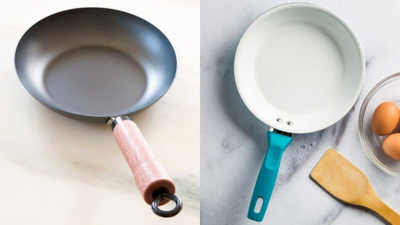
In Indian households, non-stick cookware is the second most common cooking equipment after aluminium and steel. It is the very closest option when we think about cooking something that does not stick to the bottom. But in recent years, with a lot of information and studies, we have come to know that non-stick cooking equipment that is available does not have any durable coating, and the dangers of chemicals in contact with the food have developed a conscious thinking. Innovations also help us a lot by bringing products like ceramic and hard-anodised cookware for secure and durable use.These cookware items are new for Indian households, so there is a lot of confusion. The attributes of both the cookware are very similar to each other; they both describe these healthy, non-toxic products that are an alternative to your traditional, harmful non-stick pans. But with customer use and reviews, people start putting their trust in these. Especially for Indian users, they can withstand high-heat cooking, dry roasting, acidic gravies, and pressure cooking. With this article, you will get accurate and rational information about this cookware. While the marketing might use exaggeration for the description, we will educate with true information and make informed buying decisions. Every home cook needs to remember these practical tests, which they can apply to their ceramic, hard-anodised and all other types of non-stick pans.
The term 'ceramic cookware' describes metal cooking utensils which have been coated with a ceramic-based non-stick coating. It does not consist entirely of ceramic material, which is used to create traditional earthen pots, irrespective of what you are reading in the name. Aluminium serves as the base material of such cookware, while the coating originates from silica, which occurs naturally in sand.The coating process begins with sol-gel application and ends with high-temperature baking. The process creates a glossy, smooth surface which has a texture resembling glass. These present a more modern, clean appearance, which attracts Indian urban kitchens because they come in pastel and neutral colour options.The safety problems associated with conventional nonstick coatings caused people to start using ceramic cookware as their preferred cooking method. The majority of ceramic coatings promise you safety because they do not contain PTFE, PFOA, lead or cadmium. These have special appeal for families who want to protect their children and senior relatives, and personnel who need to limit their chemical contact.The Indian cookware market needs ceramic coatings because they provide households with protection against dangerous fumes which occur when their cooking materials experience moderate overheating. The items can withstand various conditions, but they do not possess complete protection against all types of damage.The first use of ceramic cookware provides users with excellent performance because food becomes easy to release from the surface, and users need to use less oil, and they can complete their cleaning tasks within seconds. Ceramic cookware will be excellent for complicated Indian cooking. The non-stick properties of ceramic coatings start to fade after an extended period of usage at a speed which exceeds normal expectations. The cookware remains safe for use, but food will begin to adhere to surfaces when users apply insufficient oil for cooking.Ceramic cookware operates best between low and medium temperature ranges. Indian households use gas stoves, which produce high flames that create quick damage to the coating. High heat used for tadka cooking will create rapid surface damage. Indian kitchens can use ceramic materials because they require careful cooking practices. These will be a boon in the kitchen if your cooking style is slow cooking and precise temperature management.The primary disadvantage of ceramic cookware occurs because it can only last for a short period. Indian households use ceramic pans, which only remain functional for between 1.5 and 3 years until they begin to lose their original performance. Metal spoons and stacking without protection, together with aggressive scrubbing, create conditions which lead to faster product deterioration. The pan remains usable after the coating wears off; however, it loses its non-stick property.Ceramic cookware requires people to handle it with care. The use of wooden and silicone utensils becomes essential. The washing process needs to use soft sponges, while people must stay away from sudden temperature shifts. Many Indian households with multiple cooks find this level of maintenance to be cumbersome.The cookware suits health-minded families who want to cook with minimal oil and simple to moderate food preparations. The product functions effectively in small home environments which modern kitchen designs and aesthetic appeal. Yes, these are perfect for small and more visual cooking rather than bulk.Best-selling ceramic cookware: The safety of hard-anodised cookware arises from its aluminium content, which remains unreactive because the material is completely sealed. The material does not release any metal into dishes which contain acidic components such as tomato-based curries.PFOA-free non-stick products have become available from Indian brands, which now provide customers with safer alternatives.Indian kitchens benefit from the cooking performance of hard-anodised cookware. The material maintains its performance during high-temperature cooking with aggressive tadka, deep frying, and extended simmering. The cookware base produces even heat distribution, which protects against bottom-side burning. The cookware provides dependable performance for pressure cooking and slow cooking.Indian gas stoves operate successfully with hard-anodised cookware. The material withstands extreme temperatures while handling rapid temperature fluctuations. It fits well into kitchens that require quick cooking during their busiest times.The full capabilities of hard-anodised cookware become evident at this particular point. It has a lifespan of 7 to 10 years with very basic maintenance. The surface will suffer some scratches, but it's completely normal. The material will yet remain in its original shape, and it can be used in its full capacity. When getting one, find the one with an extended lifespan, which will make it a great investment for the price. It will require minimal maintenance. Do remember that with these, always use wooden utensils. The surface remains intact through occasional scrubbing. This cookware works well in households where there are multiple people who prepare meals.The design of hard-anodised cookware suits daily Indian cooking needs for large families who prepare meals multiple times throughout the day. The product maintains its ability to handle extreme temperatures, which makes it useful for frying and slow cooking methods. It delivers extended service life and durability to active families who require products which do not need frequent replacement.Here are some of the best picks! Choose Ceramic Cookware IfYour strong desire to keep away from any PTFE and PFOA substances leads you to prefer cooking tools which use mineral-based coatings. Your cooking style involves gentle methods which you use to prepare various foods, including omelettes, pancakes, sautéed vegetables, gravy dishes and light breakfasts. Your cooking methods require you to use low to medium heat while you maintain control over the flames.The ceramic cookware option works well for people who want to update their kitchen equipment every few years and who need lightweight pans that provide easy manoeuvrability. Ceramic material becomes an excellent choice for you if you want to use modern and attractive designs while you plan to replace your non-stick pan every one or two years because it loses its effectiveness.Choose Hard-Anodised Cookware IfYour daily Indian cooking requires you to use cookware which can withstand high gas flames and constant tadka cooking, extended gravy cooking and the rare event of pan overheating. You should choose hard-anodised cookware for your daily activities because it provides you with consistent performance, even heat distribution, and long-lasting durability.The product suits larger families and busy homes and people who treat cookware as an investment, which they will use for an extended period. The hard-anodised cookware provides you with a single-pan solution which enables you to sear, saute, shallow fry and simmer with complete peace of mind.Having good cookware in the kitchen is very important because it elevates the taste of your food and its appearance. It also affects your cooking methods and your dining practices and ignites a connection for the people enjoying that food. You can choose ceramic or hard-anodised cookware based on your cooking habits, instead of using marketing or what is trending to make the decision. When chosen carefully and used properly, both can serve Indian kitchens beautifully. Other Related Stories:Struggling With Uneven Heating? Try Induction Base CookwareUnconventional Kitchen Products That Make Cooking Fun & Surprisingly Easier
What to Know to Check Whether Your Cookware Is Safe
- First, look beyond marketing terms like “non-toxic” or “eco-friendly”. The cookware needs to display two specific labels, which show it is PFOA-free and PTFE-free, particularly for its non-stick surfaces. Reputed Indian brands usually mention this clearly. If the information feels vague or missing, it is better to be cautious.
- Second, observe the condition of the cooking surface regularly. The pan needs to stop usage for non-stick cooking when its coating shows peeling, flaking, bubbling or deep scratches.
- Third, notice how your cookware is reacting to the heat. The safer ones will heat evenly without giving off any weird smell or smoke. If you see strong fumes and discolouration even at moderate heat, then this is a sign that there is a coating breakdown.
- Fourth, consider your cooking habits. Empty pan, overheating metal spatula usage and aggressive scrubbing all decrease the lifespan of safe cookware. The selection of appropriate utensils together with proper cleaning techniques establishes the basis for safe maintenance practices.
Ceramic Cookware
What Is Ceramic Cookware?
Why Is Ceramic Cookware Considered Safer?
- Cooking Experience with Ceramic Cookware
- Heat Tolerance and Indian Flames
- Durability and Lifespan
- Maintenance and Care
- Ceramic Cookware is Suitable for
Hard-Anodised Cookware
What Is Hard-Anodised Cookware?
Why Is Hard-Anodised Cookware Considered Safer?
- Heat Handling and Flame Compatibility
- Durability and Long-Term Value
- Maintenance and Ease of Use
Who Should Buy Hard-Anodised Cookware?
The Head-to-Head Battle: 5 Key Areas of Comparison
- Safety: Both cookware sets provide users with complete safety. The ceramic material wins this test because it does not contain harmful substances, while the hard-anodised material provides equal protection against damage and extends lifespan.
- Cooking style: Ceramic is for smaller portions and fancy dishes. The hard-anodised cooking equipment provides high durability to handle demanding Indian culinary practices.
- Durability: The lifespan of hard-anodised products extends beyond that of ceramic materials.
- Maintenance & Care: Maintenance requirements for ceramic materials demand extra attention, while users will find it easier to handle hard-anodised materials.
- Cost Over Time: The initial cost of ceramic products appears lower than their actual expense because they require frequent replacements after their short lifespan. The initial investment for hard-anodised products requires more money, but these products will remain in use for an extended period.
Which One Should You Choose?
Conclusion

About the AuthorAshna Ali
End of Article
quick links
Best Split ACBest i5 LaptopsSide By Side Door RefrigeratorsTouch Screen Laptops750 Watt Mixer Grinder32 Inch Smart TV500GB hard diskTablets under 12000Hydraulic Storage BedsRunning machinesBeard Trimmer for MenJeggings for womenCo-ord sets for womenHybrid Smartwatches for menBest Smartwatch Under 1500Over-ear headphones13 inch laptopsPortable hotspot devicesHarmonium for beginnersBass guitarsBest Gaming HeadphonesBest VR HeadsetsCar UmbrellasBest Stretch Mark Creams and OilsGirls’ bicyclesWicket keeper glovesHardsided trolley bagsBackpack for womenBackpack for menWeight loss teaOrganic turmeric powderBest Kitchen chimney in IndiaLCD writing tablet2TB Hard DiskWireless earphones under 1000Bluetooth earbudsAir Conditioner9kg Washing Machines65 Inch TVVacuum CleanersBest Water PurifiersBest AC In IndiaAutomatic Washing MachineBest AC Under 20000
Copyright © 2026 Bennett, Coleman & Co. Ltd. All rights reserved. For reprint rights: Times Syndication Service