
- Home
- Electronics
- Why the Hollyland LARK A1 Suits Phone Creators Who Shoot Alone
Why the Hollyland LARK A1 Suits Phone Creators Who Shoot Alone
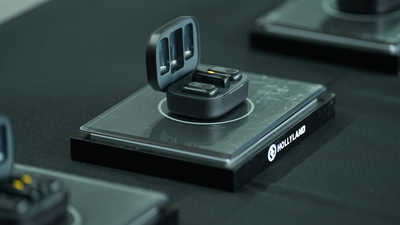
Hollyland LARK A1
The Hollyland LARK A1 is a clip-on wireless microphone system for smartphones that records at 48 kHz/24-bit, offers three noise-cancellation levels and reaches 200 metres in line of sight. It comes in three versions, with the Mini Duo from Rs 4,099, the Duo at Rs 5,399 and the Combo at Rs 7,799 in India.Wireless lavalier microphones for phones divide into two camps, and the division has held for years. One camp holds budget clip-on kits that drop the signal at awkward moments and flatten every voice into the same thin tone, while the other holds professional systems priced beyond what a vlogger spends on an accessory. Hollyland built the LARK A1 for the space between the camps, and the entry price of Rs 4,099 for the two-transmitter Mini Duo in India reflects that aim. A creator who records interviews, street reactions or a same-day reel gets a receiver that plugs into the phone's charging port, a 48 kHz/24-bit recording format, three noise-cancellation levels adjustable from the HollyAudio app, and magnets that hold each transmitter to a collar. The specifications point to a microphone for solo shooters who value clean speech and a quick setup, and the three versions divide those buyers by budget and by phone.
Bit depth sets how many steps a recording holds between a whisper and a shout, and 24-bit audio offers many more steps than the 16-bit standard that came before it. A staircase with extra steps climbs in smaller stages, and the extra steps let the recording follow a voice as it swells from a murmur to a laugh, keeping each change smooth.The LARK A1 records at 48 kHz/24-bit, a format that suits interviews, live coverage and spontaneous reactions, where volume rises and falls at any moment. The 120 dB SPL rating counts for a great deal in daily shooting, because 120 dB marks the point where a microphone capsule begins to distort, so a sudden shout or a burst of applause stays inside that limit and the recording keeps its clean edges.Weak, Medium and Strong settings let the microphone match its noise cancellation to the location, trimming wind, traffic, honking, air-conditioning hum and room echo by different amounts. Strong suits a busy pavement, where heavy processing clears the road noise from the voice. Weak suits a quiet interior, where heavy processing would flatten a soft voice into a thin sound. Hollyland rates the reduction at 10 to 20 dB, with the upper end reached in ideal conditions.Three EQ presets (Balance, Low and Bright) and three reverb settings (Small, Medium and Large) arrive through the companion HollyAudio app. The presets stand in for a parametric equaliser, which suits creators who film and publish on the same day, though editors with elaborate post-production habits may want finer control, and a tap applies the change.Six manual gain levels sit alongside Auto-Limit Clip Protection, which trims sudden volume spikes as they happen instead of leaving the creator to set a cautious level in advance and hope for quiet. For a solo creator who monitors the levels alone, this is the feature that earns its place.Each transmitter runs for 6.5 hours with noise cancellation switched on and 9 hours with it switched off. Hollyland quotes up to 54 hours with the charging case, a total reached when the two transmitters alternate in the case. A day away from the case depends on the transmitter figures, while a multi-day shoot with the case in reach brings the larger figure into play. The Duo and Combo versions include the case.A 2.4 GHz link carries the signal 200 metres (650 feet) across clear ground, and walls, crowds and dense obstructions shorten that distance, as they do for every wireless microphone. Each transmitter weighs 8 g, measures 0.9 cm in profile and attaches to clothing through a magnet, which spares fabric the small holes a pin can leave and helps the microphone stay discreet on camera.
The three versions share the same core audio hardware and differ in receivers, accessories and price. A phone with a USB-C port takes the USB-C receiver, an older iPhone takes the Lightning receiver, and the Combo includes both, which suits a creator who shoots on an Android phone and an iPhone or plans to switch. The Duo and Combo add the charging case that stretches battery life across a shoot. Prices in the table reflect current listings in India and move with promotions.Solo vloggers, streamers and small teams that shoot on a phone gain the most, since the LARK A1 lifts audio above the built-in microphone at a fraction of a professional system's cost. Creators who want plug-in audio with tap-to-apply tone presets sit at the centre of the range, as does on-camera talent who prefer a small microphone under a collar. Shooters with a professional audio chain sit outside it. The Combo fits the widest range of phones, and the Mini Duo suits the tightest budgets.The LARK A1 works with both platforms through two receiver types. The USB-C receiver plugs into Android phones and USB-C iPhones, the Lightning receiver plugs into older iPhones, and the Combo includes both.Each transmitter runs for 6.5 hours with noise cancellation on and 9 hours with it off. The 54-hour figure applies when the charging case tops up the transmitters, and the Duo and Combo include the case.All three share the core features and differ in receivers and accessories. The Mini Duo costs Rs 4,099 with a USB-C receiver and Rs 4,599 with a Lightning receiver, the Duo costs Rs 5,399 and the Combo costs Rs 7,799.The receiver passes charge through to the phone, so recording and charging run together.Wind, traffic, live streaming and quiet rooms all fall within the three levels. Strong suits busy streets and Weak suits calm interiors.
Why the Hollyland LARK A1 Targets the Gap in Budget Wireless Mics
Key Highlights
- Records at 48 kHz/24-bit with a 120 dB SPL ceiling and auto-limit clip protection.
- Offers three noise-cancellation levels, three EQ presets and three reverb settings through the HollyAudio app.
- Starts at Rs 4,099 for the Mini Duo, with the Duo at Rs 5,399 and the Combo at Rs 7,799.
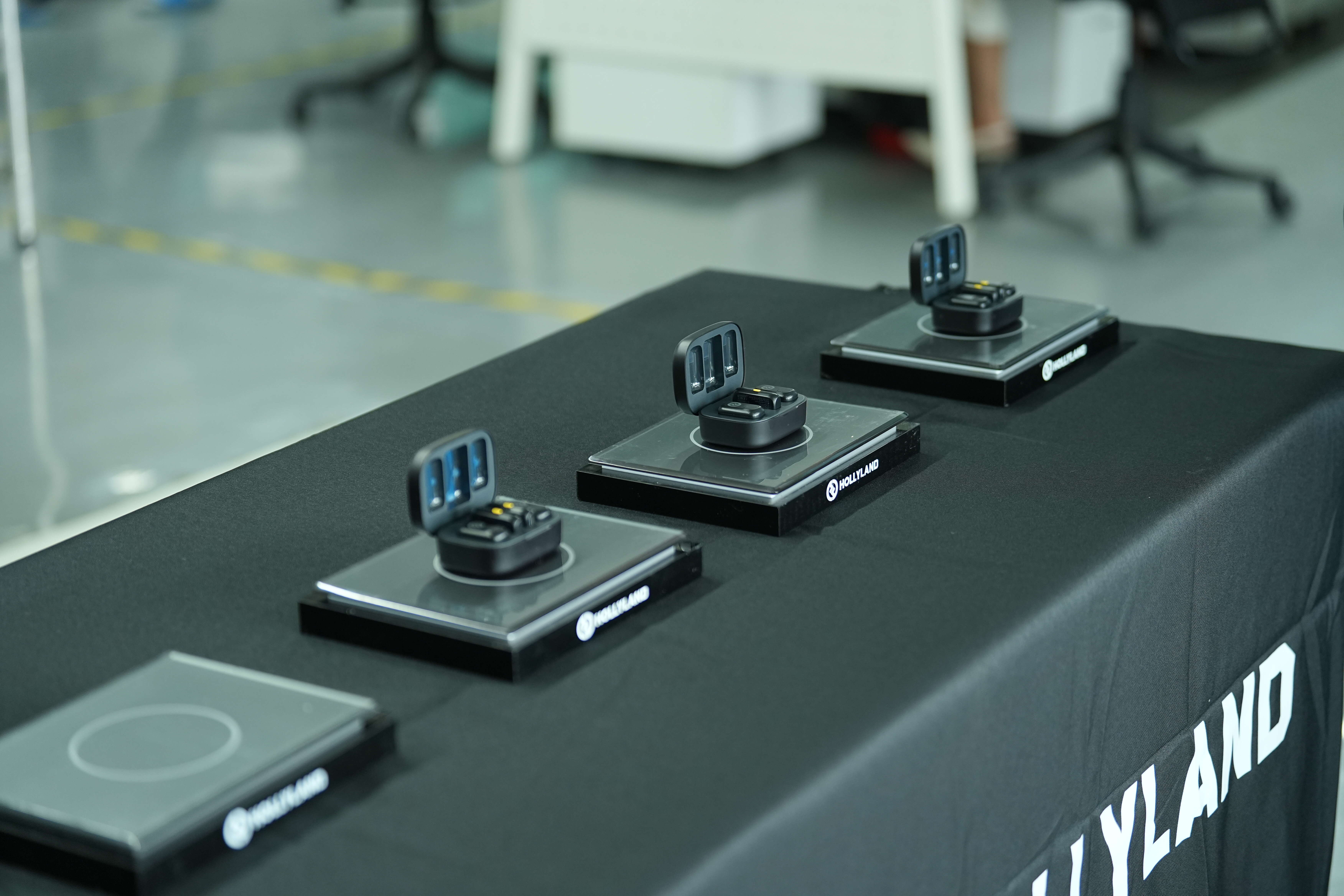
Hollyland LARK A1 at a Glance
| Spec | Detail |
|---|---|
| Recording format | 48 kHz/24-bit |
| Maximum sound pressure | 120 dB SPL |
| Noise cancellation | Three levels (Weak, Medium, Strong) |
| EQ presets | Balance, Low, Bright |
| Reverb presets | Small, Medium, Large |
| Gain | Six manual levels plus Auto-Limit Clip Protection |
| Wireless range | 200 m (650 ft), line of sight |
| Transmitter weight | 8 g |
| Transmitter profile | 0.9 cm |
| Transmitter battery | 6.5 hours with noise cancellation, 9 hours without |
| Charging case battery | Up to 54 hours |
| Receivers | USB-C or Lightning |
| Phone charging | Receiver charges the phone during use |
What 48 kHz/24-Bit Recording Adds to Phone Audio
How the LARK A1 Noise Cancellation Works
HollyAudio App Controls for EQ, Reverb and Gain
What the 54-Hour Battery Figure Means
Range and Build
Which LARK A1 Version Suits Which Shoot
| Version | Transmitters | Receiver | Price in India |
|---|---|---|---|
| Mini Duo | Two | USB-C | Rs 4,099 |
| Mini Duo | Two | Lightning | Rs 4,599 |
| Duo | Two | USB-C, plus charging case | Rs 5,399 |
| Combo | Two | USB-C and Lightning, plus charging case | Rs 7,799 |
Who Should Buy the LARK A1
FAQ
Does the LARK A1 work with iPhone and Android?
How long does the LARK A1 last on a charge?
What separates the Combo, Duo and Mini Duo?
Can a phone charge while the LARK A1 records?
Does the noise cancellation work outdoors?
About the AuthorAshna Ali
End of Article

quick links
Best Split ACBest i5 LaptopsSide By Side Door RefrigeratorsTouch Screen Laptops750 Watt Mixer Grinder32 Inch Smart TV500GB hard diskTablets under 12000Hydraulic Storage BedsRunning machinesBeard Trimmer for MenJeggings for womenCo-ord sets for womenHybrid Smartwatches for menBest Smartwatch Under 1500Over-ear headphones13 inch laptopsPortable hotspot devicesHarmonium for beginnersBass guitarsBest Gaming HeadphonesBest VR HeadsetsCar UmbrellasBest Stretch Mark Creams and OilsGirls’ bicyclesWicket keeper glovesHardsided trolley bagsBackpack for womenBackpack for menWeight loss teaOrganic turmeric powderBest Kitchen chimney in IndiaLCD writing tablet2TB Hard DiskWireless earphones under 1000Bluetooth earbudsAir Conditioner9kg Washing Machines65 Inch TVVacuum CleanersBest Water PurifiersBest AC In IndiaAutomatic Washing MachineBest AC Under 20000
Copyright © 2026 Bennett, Coleman & Co. Ltd. All rights reserved. For reprint rights: Times Syndication Service