
- Home
- Food & Beverages
- Cheese Slices Explained: When to Choose Processed Cheese and When to Pick Cheddar
Cheese Slices Explained: When to Choose Processed Cheese and When to Pick Cheddar
Processed cheese and cheddar cheese slices don’t look any different in the packet, but they act completely differently on the pan and sandwich press. This article highlights the differences so you know which is better for which cooking process or recipe, using D’lecta’s own processed cheese and cheddar cheese slices.
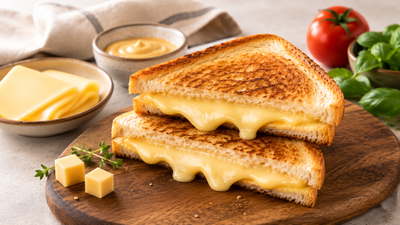
Walking through the dairy aisle of a regular grocery store can leave you in shock at the variety of cheese on offer. Processed cheese slices, cheddar, mozzarella, cream cheese and a host of flavoured options line the shelves. But for the average customer simply looking to make a sandwich or lay out a cheese board, most of these options can be overwhelming. The biggest dilemma most people face when buying cheese is ‘processed cheese vs cheddar cheese’, both of which are available as convenient slices.However, few people consider what the difference actually is. In short, one is used for easy melting and a consistent texture, while the other is better for flavour. Knowing which is which can make a real difference to your recipe, whether you’re making a sandwich, layering a cheese board or making a pasta bake. This article compares the two cheeses from D’lecta using Processed Cheese Slices and Natural Cheddar Slices as the basis for comparison since most people buy these and they are the most readily available and flexible types of cheese for any recipe.Processed cheese is a blend of real cheese with emulsifiers and milk fats to create a stretchy and easily melting cheese product with a subtle flavour. The addition of emulsifiers means that processed cheese has a far longer shelf life than natural cheeses; it melts consistently, and you get this satisfactory cheese pull when the dish is piping hot. This makes it ideal for cooking, particularly for dishes that require high heat, such as sandwiches on a tawa or burger preparation. Cheddar, on the other hand, is a naturally produced cheese made from milk, bacteria, salt, and an acidifying agent called rennet. There are no emulsifiers added to it, giving it a richer and more intense flavour than processed cheese. D’lecta’s Natural Cheddar Slices are a prime example of naturally produced cheese, with a distinctive tangy flavour that is absent in most processed cheese products.Because it is made without any additional stabilising agents, cheddar cheese cannot handle direct and high heat as well as processed cheese can, making it better suited for recipes where it will be gently incorporated. Cheddar cheese is great for layering into parathas, making white sauce, or adding to baked dishes where it can melt slowly.
Processed cheese is extremely useful in fast cooking where the cheese needs to be incorporated quickly. Things like tawa sandwiches or cheese burst dosas need a cheese slice that doesn’t require slow, even heating to avoid becoming greasy. Processed cheese holds its shape remarkably well when first put onto the heat source, then gradually begins to melt into the dish. If you want to taste pure and natural processed cheese, go for the D’lecta Processed Cheese Slices 200g. These hold their shape on bread perfectly, then melt together to form a soft, stretchy layer over the top. Processed cheese is great for kids or for those who want to make simple, fast meals but ones with flavours and that fresh creaminess.Cheddar cheese is a far more delicate product when it comes to melting, but it offers a far more savoury and intense flavour that is better appreciated in certain dishes. On a charcuterie board, cheese-filled paratha, grilled cheese sandwiches, or pasta bake can all benefit from the unique flavour that cheddar cheese has to offer. When it comes to grating or tearing, D’lecta Cheddar Cheese Slices 200g are far superior, with no artificial colours, preservatives, or flavours, leaving you with just one ingredient. Cheddar cheese is far more useful than processed cheese when making mac and cheese or a white sauce. The distinct tanginess of the cheese stands out far more when melted into the dish, something that regular processed cheese cannot replicate.As a rule of thumb, most cooks will choose either processed cheese or cheddar cheese based on what they intend to make. Processed cheese is ideal for fast cooking scenarios which involve heavy heating of the cheese, while cheddar cheese is better in recipes that use gentler heating methods. Most Indian kitchens will have both cheeses on hand, using whichever is more appropriate for the dish being made.Both cheeses can technically be used in the same recipes, but it will change the outcome of the dish considerably. Processed cheese will melt much faster and have a subtler flavour, while cheddar will hold its shape for longer and add a more intense savoury note to the dish.The best cheese for pizza is a combination of mozzarella and cheddar with a touch of processed cheese for an extra satisfying cheese pull. Proper storage is vital for all cheeses, but once opened, natural cheddar tends to dry out and harden more quickly than processed cheese. It is best to store both cheeses in the fridge and consume them within the recommended time frame after opening.Natural cheddar tends to have fewer ingredients due to the lack of emulsifiers and stabilisers, but both cheeses are best consumed in moderation as part of a healthy diet.
What Processed Cheese Actually Is?
What Makes Cheddar Different
Comparing the Two at a Glance
When to Reach for Processed Cheese
When to Use Cheddar Cheese Slices
A Quick Way to Decide
Frequently Asked Questions About Cheese
- Can processed cheese and cheddar cheese be used interchangeably?
- Which cheese is better for pizza?
- Does cheddar cheese require more careful storage than processed cheese?
- Is one of the cheeses healthier than the other?

About the AuthorAshna Ali
End of Article

quick links
Best Split ACBest i5 LaptopsSide By Side Door RefrigeratorsTouch Screen Laptops750 Watt Mixer Grinder32 Inch Smart TV500GB hard diskTablets under 12000Hydraulic Storage BedsRunning machinesBeard Trimmer for MenJeggings for womenCo-ord sets for womenHybrid Smartwatches for menBest Smartwatch Under 1500Over-ear headphones13 inch laptopsPortable hotspot devicesHarmonium for beginnersBass guitarsBest Gaming HeadphonesBest VR HeadsetsCar UmbrellasBest Stretch Mark Creams and OilsGirls’ bicyclesWicket keeper glovesHardsided trolley bagsBackpack for womenBackpack for menWeight loss teaOrganic turmeric powderBest Kitchen chimney in IndiaLCD writing tablet2TB Hard DiskWireless earphones under 1000Bluetooth earbudsAir Conditioner9kg Washing Machines65 Inch TVVacuum CleanersBest Water PurifiersBest AC In IndiaAutomatic Washing MachineBest AC Under 20000
Copyright © 2026 Bennett, Coleman & Co. Ltd. All rights reserved. For reprint rights: Times Syndication Service