
- Home
- Pregnancy & Parenting
- How the Right Baby Furniture Can Make Everyday Parenting Smoother
How the Right Baby Furniture Can Make Everyday Parenting Smoother
One of the most meaningful and most overwhelming moments of early parenthood is creating a nursery or room for the baby. This article will cover each must-have item of furniture in your baby's room, the crib, feeding chair, etc., and how it is a practical necessity for your daily routine. This is more than a shopping list; it's a full-scale floor plan to help you create a safe, functional and beautifully calm space.
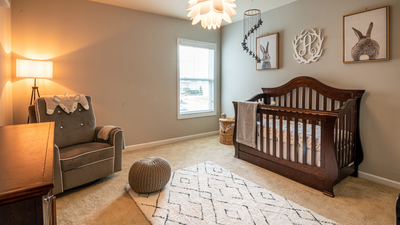
No one tells you that you will have to make lots of decisions when you're expecting a baby, and no one tells you enough. Colours, sleep, food and then nursery. Showrooms feature immaculate white furniture and dimmers, which give it a smooth look. Shopping for the best baby furniture that is intended to look appealing is not the point; it is what you truly desire for your room when you are carrying your crying infant with you while you're only just waking up past 2 a.m., and you have to get everyone out of bed.The ideal furnishing is not just a piece of furniture. It creates different zones that serve different purposes and are all designed to reduce the stress of parenthood. If a nursery is planned, you will not be flipping through the dark hours for a nappy; you will not need to sneak up behind the cot where your baby is sleeping and rub his/her chest around furniture; you will always have a special place to carry out routines! With good planning, your baby's room can be one of the most effective rooms in your house.This guide leads you through some of the basic types of baby furniture that are crucial to a complete baby room overhaul and why they are important, as well as providing you with a layout of the most functional room for your baby with the appropriate baby furniture.Consider your nursery as a room for working, not just a room to decorate. The furniture items listed below serve as the foundation for a particular routine, and selecting them correctly is worthwhile daily.The crib serves as the centre of your nursery and is your most important purchase; it is the heart and soul of your nursery. A safe crib will have a distance of 6 cm or less between the slats, and the mattress is firm and flat without gaps between the sides and corners. Purchase cribs that can convert to toddler beds to maximise use past infancy. Store it away from drapes near walls, near windows, and radiators, and primarily in a location that you can see from anywhere in the room.Pro Tip: In India, we don't get to know the gender of the baby, so don't limit yourself to pink or blue colours; get one in brown and white tones to add aesthetics. Also, baby-adjustable cribs that grow with the baby. Top Picks! It may not sound specific enough, but one of the most important baby furniture products you utilise most throughout the initial few months is the nursing chair. Twice a day feeding, happiness, and comfort make all the difference when breastfeeding. If you are going to venture into feeding with bottles, the right chair will have a comfortable armrest at just the right level. A fussy baby, a chair with armrests and bells will make a difference. Dangling baby swings are particularly soothing for infants. Place it in a corner with a small table to put your water, burp cloth and phone.Pro Tip: Choose a chair with a washable slipcover, because feeding is gloriously messy, and you will thank yourself later.Best Picks! During those many days, you can expect to change hundreds of diapers; this special changing station will make it a breeze! A changing table with an under-shelf storage area makes it easier, as the nappies, wipes, creams and outfits can be stored. Concentrate on equipment that has a safety rail, and also use a changing mat with a safety strap. The golden rule: "When is the best time to take a break?" Well, never, not even for a second. The habit that helps to keep your baby safe is having everything prepared before you start.Pro Tip: A dresser with a changing topper on top doubles as long-term storage once the nappy stage is done.Popular Picks! Children grow in clothes at a dizzying pace, and an unorganised room can turn into a textiles avalanche in no time. A mini wardrobe for little outfits with a short-length hanging rail and a dresser for the folded basics, onesies, and sleep sacks provides a clear system. Sort your drawers by small, larger and then keepsakes. This will remove the anxiety of so many items, all at once. As your baby grows to be a toddler, toddlers climb on dressers; secure wardrobes and tall dressers to the wall, and accidents happen often in the home.Pro Tip: Use drawer dividers and label by size. Sorting through clothes during a nighttime feed is no one's idea of fun.Functional drawers & wardrobes for organisation! Once your baby becomes a curious, grabbing and pulling toddler, it's important to have easy access to storage. Open shelving helps books and toys to be within easy reach of children, allowing for greater independence and tidying up early. Small Products that may be a hazard are corralled on lower shelves by storage bins and baskets made of cloth. Unwrapped picture books displayed at a baby's height at the very baby's eye level are an easy gateway to early literacy. Store things that you are trying to avoid, such as monitors, white noise units or changing supplies, on the top shelves.Pro Tip: Rotate toys in and out of storage every few weeks; familiar toys feel brand new again, reducing clutter and stimulating curiosity.Storage for toys and essential storage! A bassinet or Moses basket placed next to your bed so that you can feed at night but have a safe nursery for future use. A decent bassinet will be lightweight and breathable and will have a comfortable reach. Some models also have the comfort of gentle vibration or white noise for calming babies' transition from womb to world. When your baby can roll or reach the weight limit, usually around six months, your baby will naturally think about the move to the crib in the nursery.Pro Tip: Many bassinets now include a see-through mesh side panel so you can check on your baby without sitting up fully.Most Safe & Practical Option! Install the cot or crib away from the window and the main wall and out of direct light. This is the least talked-about area of the room. Toys or stimulating colours are forbidden in this area; opt for soft neutrals and blackout curtains. Place the nursing glider chair in the corner near the crib room where night feeds are going to take place to avoid extra motion and less light. There's a mini table to the side with a muslin, water and a telephone. An overhead light with a dimmer or a night light at the floor level will prevent you from using intense overhead task lighting at night when feeding.The changing table must be near the door so that in-and-out nappy changing doesn't wake the baby while the parents are changing across the room. Stock adequate supplies: Nappies, protective cream, barrier wipes and extra outfits. The dresser or wardrobe will be right next to it, making fresh clothes easily accessible.Your baby's development will create space on the floor as the most important asset in any nursery. The centre of the room is graced with a soft play mat with accessible shelves of books and baskets of toys so the babies can do tummy time and begin to play independently before starting their first steps. Keep this area uncluttered and well-illuminated.First of all, don't get panicked or overwhelmed when you see so many things that are necessities. You don't have to buy everything, and all at once. Start slow, buy a crib, then a wardrobe and then slowly and readily move on to buy the things you wish for your baby. Build out the rest as your budget allows and as your baby grows. Other Related Stories:Cute Baby Record Books & Journals for Memories That Last a LifetimeBest Baby Shower Gift Hampers & Essentials for Moms
Top Furniture for Babies Every Parent Needs
Crib or Cot: The Sleep Sanctuary
Feeding or Glider Chair
Changing Table or Station
Wardrobe or Dresser
Open Shelving & Toy Storage
Bassinet or Moses Basket
Practical Floor Plan With Furniture for Your Baby's Room
- Sleeping Zone
- Feeding & Comfort Zone in a Corner
- Care Zone Close to the Door for Easy Access
- Play & Discovery Zone in the Centre
Conclusion

About the AuthorAshna Ali
End of Article

quick links
Best Split ACBest i5 LaptopsSide By Side Door RefrigeratorsTouch Screen Laptops750 Watt Mixer Grinder32 Inch Smart TV500GB hard diskTablets under 12000Hydraulic Storage BedsRunning machinesBeard Trimmer for MenJeggings for womenCo-ord sets for womenHybrid Smartwatches for menBest Smartwatch Under 1500Over-ear headphones13 inch laptopsPortable hotspot devicesHarmonium for beginnersBass guitarsBest Gaming HeadphonesBest VR HeadsetsCar UmbrellasBest Stretch Mark Creams and OilsGirls’ bicyclesWicket keeper glovesHardsided trolley bagsBackpack for womenBackpack for menWeight loss teaOrganic turmeric powderBest Kitchen chimney in IndiaLCD writing tablet2TB Hard DiskWireless earphones under 1000Bluetooth earbudsAir Conditioner9kg Washing Machines65 Inch TVVacuum CleanersBest Water PurifiersBest AC In IndiaAutomatic Washing MachineBest AC Under 20000
Copyright © 2026 Bennett, Coleman & Co. Ltd. All rights reserved. For reprint rights: Times Syndication Service