
- Home
- Food & Beverages
- Feta Cheese And The Mediterranean Diet: Why It's Considered A Superfood Staple
Feta Cheese And The Mediterranean Diet: Why It's Considered A Superfood Staple
Feta cheese has quietly earned its place as a Mediterranean diet staple, prized for its complete protein, gut-friendly probiotics and bone-strengthening minerals. This piece breaks down why nutritionists rate it so highly and why it is a trending cheese on social media, and rounds off with three easy recipes with D’lecta Feta Cheese that are worth adding to your weekly rotation for a healthier and richer taste palette.
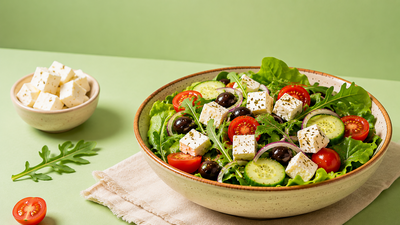
If one has to describe the Mediterranean diet, the image that comes to mind is likely familiar: olive oil, ripe tomatoes, grilled fish, and a generous sprinkle of white cheese on top. That cheese is typically feta, and for good reason. While feta has long been a staple in Greek and broader Mediterranean cuisine, its recognition as a genuinely nutritious food is a more recent development, supported now by scientific research on protein quality, gut health, and bone strength, not just tradition. It’s lower in calories than most hard cheeses, gentler on digestion than many assume for a dairy product, and adaptable enough to enhance salads and baked dishes or even be enjoyed on its own.Thanks to high-quality dairy brands like D’lecta, high-quality feta is now much more accessible in India, making it easier than ever to include in everyday cooking. Here’s a closer look at why feta has earned its place among nutrient-dense foods, along with three simple recipes to help you make the most of it.One of feta’s strongest nutritional advantages lies in its protein content. The protein in feta is highly bioavailable, meaning your body can efficiently absorb and use it for muscle maintenance and metabolic processes. Unlike many plant-based proteins, it contains all 9 essential amino acids, classifying it as a “complete” protein.A typical 50g serving provides about 8g of quality protein. This makes feta effective at promoting fullness between meals and supporting lean muscle, which explains why it features prominently in Mediterranean meal plans. Adding a serving of D’lecta feta to a salad or grain bowl can significantly boost the meal’s protein value.You will needCucumber, tomatoes, red onion, green bell pepper, Kalamata olives, a thick slab of D’lecta feta cheese, extra virgin olive oil, dried oregano, salt and pepper.MethodChop the vegetables of your choice into large, uneven pieces; this dish is meant to feel fresh and rustic. Combine them in a wide bowl with the olives. Instead of crumbling the D’lecta feta cheese, place the whole block on top, as traditionally done in Greece. Drizzle with olive oil, sprinkle with oregano, and season lightly, keeping in mind that the feta already adds salt. Serve with the cheese intact so each person can break off their preferred amount at the table.You will needCherry tomatoes, D’lecta feta, olive oil, garlic, chilli flakes, basil, and pasta of your choice.MethodArrange cherry tomatoes in a baking dish, place the feta block in the centre, and drizzle everything with olive oil. Add crushed garlic and chilli flakes, then bake at 200°C for 25–30 minutes until the tomatoes burst and the feta softens with a golden edge. Meanwhile, cook the pasta and save a cup of the starchy cooking water. Once baked, mash the tomatoes and feta together into a creamy sauce, thin it with a splash of pasta water, toss with the cooked pasta, and finish with torn basil leaves.You will needD’lecta Feta, Greek yoghurt, olive oil, lemon juice, garlic, and a pinch of chilli flakes.MethodBlend feta with Greek yoghurt, a little olive oil, lemon juice, and a small garlic clove until smooth and fluffy. Spread onto a serving plate, drizzle with more oil, and top with chilli flakes and fresh herbs if available. Serve with warm pita bread or crusty slices. It works equally well as a quick appetiser or a satisfying, protein-rich snack when you want something more substantial than plain crackers and cheese.All three of these recipes only work as well as the cheese you start with, and this is where D’lecta stands out. D’lecta's cheese range is built to hold its shape and creaminess through cooking, which matters more than it sounds like it should. D’lecta processes its cheese with consistent quality control at every batch, which means the texture you get in the block is the texture you can expect every single time you buy it. It melts evenly under heat, holds together when baked, and whips into a smooth, lump-free dip without needing extra cream or yoghurt to compensate for a dry block. And if you feel that the feta is too salty for your liking, because it is fermented in a brine solution, you can wash it under running water for 5 seconds, and you will have the perfect salt ratio.Other Related Story:Cheese Slices Explained: When to Choose Processed Cheese and When to Pick Cheddar
Feta Cheese: The Protein Powerhouse
Why Choose Feta Over Other Cheeses?
- Supports gut health. As a fermented dairy product, authentic feta contains Lactobacillus plantarum, a probiotic strain linked to improved gut microbiome balance and, in turn, better immune function. This sets it apart from many processed cheeses, where beneficial live cultures are often lost during manufacturing.
- Promotes bone health. Rich in both calcium and phosphorus, two key minerals for maintaining strong bones, feta fits naturally into diets focused on bone wellness, especially as needs increase with age.
- Lower in calories. Compared to aged cheeses like Cheddar or Parmesan, feta is naturally lighter in fat and calories, aligning well with the Mediterranean emphasis on balanced eating.
- Source of vitamin B12. Feta provides a natural supply of vitamin B12, important for energy metabolism and nervous system function, nutrients that can be harder to obtain on plant-focused diets.
Three Simple Ways to Cook with Feta Cheese
Classic Greek Salad with Feta
Baked Feta Pasta
Whipped Feta Dip
Best Feta Cheese for These Recipes

About the AuthorAshna Ali
End of Article

quick links
Best Split ACBest i5 LaptopsSide By Side Door RefrigeratorsTouch Screen Laptops750 Watt Mixer Grinder32 Inch Smart TV500GB hard diskTablets under 12000Hydraulic Storage BedsRunning machinesBeard Trimmer for MenJeggings for womenCo-ord sets for womenHybrid Smartwatches for menBest Smartwatch Under 1500Over-ear headphones13 inch laptopsPortable hotspot devicesHarmonium for beginnersBass guitarsBest Gaming HeadphonesBest VR HeadsetsCar UmbrellasBest Stretch Mark Creams and OilsGirls’ bicyclesWicket keeper glovesHardsided trolley bagsBackpack for womenBackpack for menWeight loss teaOrganic turmeric powderBest Kitchen chimney in IndiaLCD writing tablet2TB Hard DiskWireless earphones under 1000Bluetooth earbudsAir Conditioner9kg Washing Machines65 Inch TVVacuum CleanersBest Water PurifiersBest AC In IndiaAutomatic Washing MachineBest AC Under 20000
Copyright © 2026 Bennett, Coleman & Co. Ltd. All rights reserved. For reprint rights: Times Syndication Service